by Debi | Feb 15, 2012
 The sun’s rays make skin look old and wrinkled years before it should. More than 80% of the signs of skin aging in adults are the result of the tans they had as teens before the age of 18. That’s because over time, the sun’s ultraviolet light damages the fibers in the skin called elastin. When these fibers breakdown, the skin begins to sag, stretch, and lose its ability to go back into place after stretching.
Source:

Contact me for your solution to minimize your sun damage
by Debi | Feb 13, 2012
 R+F isn’t just for women!! Meet the Micro-Dermabrasion “Stick”…Kinda looks like a stick of deodorant and users love it’s mess free packaging.
Great when used as a pre-shaving application to cleanse, smooth and exfoliate the skin….priced perfectly under $40.
Buy for your Guy or for Just Because!
Contact me for yours!
by Debi | Feb 1, 2012

Yes. And here’s why.
So what’s the difference between these “U” ltra “V” iolet Light Rays
Our skin is concerned with three categories of light rays ultra-violet, visible and infra-red rays. Ultra-violet or UV is divided into three sections according to their wavelengths from the sun to the earth. UV rays effects on your skin by aging of your skin. So why you should regulate your exposure and use sun protection?
1. UVC, shortest from the sun, does not easily reach the earth’s surface due to being absorbed by the ozone layer above the earth. Occasionally articles are written on the ozone depletion and the possible exposure to UVC where only a brief exposure can cause light sunburn. Prolonged exposure to UVC is considered fatal.
2. UVB, long considered the “tanning ray” is strongest in northern hemisphere summer months or when parts of the earth orbit closest to the sun. When the earth is further away from the sun in the northern hemisphere winter months it is harder to get a “suntan” because the rays can not easily reach the earth’s surface. Sunblocks and sunscreens for many years only blocked the UVB rays as science was not clear on the body’s reaction to UVA.
Body’s Reaction to UVB
This ray only has the strength to penetrate the very top layer of your body called the epidermis which has the same thickness as a silk scarf. No blood vessels or nerve endings are present and is composed of keratinocytes (skin cells), basal cells and melanocyte cells. Melanocyte cells synthesize tyrosinase and the pigment melanin that is transferred to the keratinocytes or skin cells for color. UVB rays simulate the melanocyte cells to produce more melanin which is more color known as a suntan or if a very small area known as a freckle, brown or age spot, and chloasma, melasma or hyperpigmentation in medical terms.
 3. UVA, was touted in the 1980’s as the safe ray and sun beds were the rage. Some dermatologist backed this idea as a safe and healthy way to look your best. Since then science has found this ray actually does more damage to the body than UVB. UVA is the same strength year round it does not matter how close or how far away the sun is from the earth. The ray remains the same strength and considered a light X ray penetrating light clothing, wind shields, office windows and hats to name a few. You can test this by putting a color bound book or fabric covered furniture in a sunny window for a few months. You will start to see the color fade as the rays work on the book or furniture. Often women will say they never go out in the sun but their chest is permanently red and wrinkled, their hands look old which I usually categorize as “free-way” or “commuter” aging. A pulled down head visor in a vehicle does not protect your hands on the steering wheel or exposed chest driving into the sun. Car pooling, commuting or traveling congested areas even several times a week is enough to cause aging. When taking the train or plane is the sunlight on your hands or chest? Male skin is thicker “free-way” or “commuter” aging affects them mostly by more brown spots on the exposed side of their face. Living in a sun state or country like Mexico or equator countries provide a constant sunny environment making a daily full spectrum sunblock or sunscreen a necessity.
Body’s Reaction to UVA

Over 30 years, the left side of this teacher’s face aged faster due to UVA exposure through a window in her classroom. Just compare the two sides! Photos: Professor J. Leyden. Photos not retouched.
UVA shoots through the epidermis and disperses in the dermis the second major layer of your skin. The dermis is called the “true skin” and slows its replacement or renewing rate around the age of 28 years. Skin after this age is considered “mature skin” and damage is not mended as well if at all, fair skin people look in the mirror asking “What happened?”. These rays accelerate the aging process and like new paint on a car in a crowded parking lot years later does not look so great. The skin like paint on a car has to be taken care of and protected. The dermis is composed of collagen, elastin, blood vessels, nerve endings and ground substances (glyco-amino-glycans, mucopoly-saccharides) providing a firm youthful mattress for your skin. Prolonged exposure to UVA cracks and shrinks the collagen and elastin reducing the size of this layer allowing the epidermis (top layer) to start drooping or hanging off the body. Blood vessels become permanently dilated giving a constant red flush to the skin. The few remaining melanocyte cells that are scattered in the dermis can either die making a permanent white spot or become over active leaving a brown spot. There are no lasers or procedure available at this time guaranteeing the removal of these brown spots and some procedures make them worse. The water binding ground substances are less and ineffective making the skin dry. In the end over exposure to this ray can put you in the dermatologist or plastic surgeon’s office faster than any other aggravator. Not to mention the reported deaths from radiation poisoning from tanning beds. Be very careful and wear your sunblock or sunscreen when exposed.
Sunlight regulates our biological clock and provides essential vitamin D. Common sense should be used in regulating your amount of time in the sun.
So the answer is yes. Wear the proper sunscreen daily and for the best protection, apply several times throughout the day.
Please fell free to contact me for more information about our skincare products.
1 Documentation on file at La Roche-Posay.
2 Clinical study: Dr. A. Kligman. 2000 AAD interview entitled “Is Daily Photo-protection a Rational Ideal?”
* Illustrations not to scale.
by Debi | Jan 26, 2012
Are You Scrubbing Away Good Skin?
 Great skin starts with clean skin. The wrong cleanser can undo all the right things you’re doing and make your skin drier and more oil-prone than before you lathered up. In fact, a bevy of bubbles is an obvious indication that your cleanser is likely stripping away your precious moisture barrier.
Gentle, low sudsing cleansers are best because they effectively remove dirt and oil without disrupting your delicate stratum corneum (top layer of skin). Exfoliation plays a huge role in helping rid the skin of dead cells on the surface, keeping bacteria and pimples to a minimum, as well as ensuring that your skin remains bright and even-toned. To exfoliate better, simply apply your cleanser longer, not harder.
Like bricks on a broken wall, over scrubbing is just as bad and can create small abrasions or leaks where germs and dirt can sneak in. 

For more information on our products or learn how you can own your own skincare business with the creators of Proactiv Solution:
Contact Me
by Debi | Jan 22, 2012
In winter months, my eye lids become dry and irritated … help!
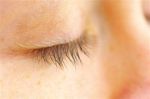 Because your eye area is so delicate, it is more susceptible to weather changes and you will need to make subtle changes to avoid irritation. Here’s what we recommend:
- Use Rodan + Fields® ANTI-AGE Eye Cloths to gently remove eye makeup while simultaneously providing the sensitive eye area with powerful overnight anti-aging and restorative benefits without any residue or stinging, leaving skin feeling clean and refreshed.
- Use ANTI-AGE Multi-Function Eye Cream twice daily. This formula contains powerful collagen-stimulating and anti-inflammatory peptides to reduce irritation, minimize the appearance of crow’s feet, help reduce puffiness, and diminish dark under eye circles while special optical diffusers instantly brighten the eye area.
- Stay away from glittery frosty eye shadow as mica can irritate delicate skin.
- Wear sunglasses to reduce sun damage and wear sun goggles when skiing to reduce tearing and windburn.